
Downsizing from a Lake Minnetonka waterfront home means choosing which lake connection to keep and which chores to leave behind, then coordinating the sale and next home. A condo view, day-use dock and private seasonal slip are different replacements.
Should I downsize my home?
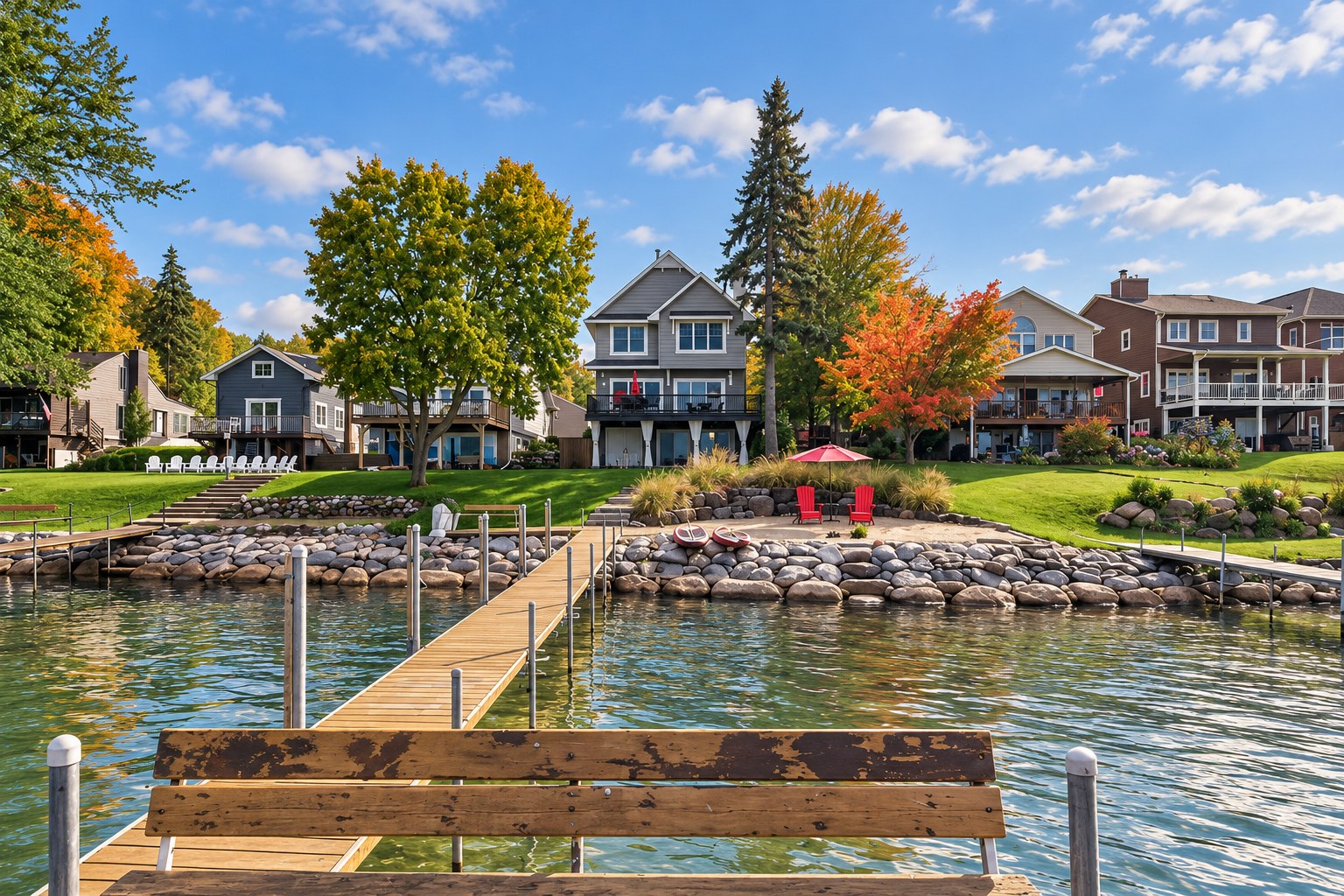
Downsizing makes sense when the next home supports the life you want with less of the work you no longer want to do. On Lake Minnetonka, separate house maintenance from dock installation, storage, shore access and boat care. Keeping a lake view while giving up dock responsibilities is a different plan from keeping a boat at home.
Write down the responsibilities to remove before picking a housing type. A smaller house may still have steep shore stairs; a condo may still require arranging a separate slip. Familiar doctors, friends, shopping and trail routes may matter more than a lower bedroom count. Compare those daily requirements with the actual next home instead of letting a broad Downsizing label decide the search.
Lake Minnetonka access condos
Lake-access condos can preserve proximity to the water, but their documents determine the use you receive. The lake-access condo guide distinguishes views and shared arrangements; The Mist in Spring Park is described there with shared day-use dock rights, not a guaranteed private seasonal boat slip for every owner.
Compare that with a confirmed abutting site, private shore or a separate marina agreement. The Mound dock program also separates property-linked abutting sites from resident-held inland assignments. If your next home is meant to keep boating easy, obtain the next arrangement’s actual terms before selling the one you have. A pleasant water view cannot answer where the boat stays overnight.
How to downsize your home
A workable Downsizing sequence begins with the next-home requirements, financing and the current property’s documented value. In the Mound rent-back story, a couple bought a one-level detached townhome and negotiated a 45-day stay after selling, allowing one move rather than two. That was a negotiated arrangement, not an automatic right.
For a waterfront sale, add the survey, access records and included dock equipment to the preparation packet. Then compare buy-first, sell-first or an agreed possession bridge with your lender and closing team. CJ Norman’s planning perspective covers the personal pace; this lake-specific comparison focuses on what water access and work the next property will actually replace.
Lake Minnetonka homes for sale
Lake Minnetonka homes should be valued using comparable access and shoreline, not a generic lake-view category. The documented Mound abutting-dock appraisal issue shows why a licensed transferable site needs its own evidence. A waterfront owner planning to sell should establish those facts before asking a buyer or appraiser to recognize them.
For the next purchase, compare one-level homes and villas with condos and smaller shoreline houses using the same maintenance and access requirements. Keep monthly costs, future projects and essential stairs beside the purchase price. Send the current address and what you want to keep about lake life; that makes a sale-and-next-home conversation more concrete than assuming less square footage means less effort.